

Which milk is best for Matcha Latte? Many matcha fans prefer oat milk because it is mild, creamy, and slightly sweet. Soy milk, almond milk, or classic cow's milk can also go well with matcha latte – depending on whether you prefer a neutral, nutty, or particularly creamy version.
Key takeaways at a glance
-
The choice of milk influences the taste, texture, and health benefits of your matcha latte, ranging from cow's milk to plant-based alternatives.
-
There are important differences between types of milk, such as taste, frothing ability, and nutritional values – this helps you choose the right milk for your matcha latte.
-
Each milk alternative has its own advantages: oat milk is sustainable and froths well, almond milk provides a nutty flavor, and soy milk is high in protein and neutral.
-
The preparation technique is crucial: pay attention to the correct water temperature and perfect frothing to avoid lumps and achieve an optimal taste experience.
-
In this article, you will also find a simple recipe for matcha latte that explains the preparation step by step.
The best milk for matcha latte at a glance
|
Milk type |
Taste |
Foam |
Best for |
|---|---|---|---|
|
Oat milk |
mild, slightly sweet |
very good |
everyday, hot & cold |
|
Almond milk |
nutty, light |
medium |
Iced Matcha Latte |
|
Soy milk |
neutral, bold |
good |
intense matcha |
|
Coconut milk |
sweet, exotic |
medium |
desserts, cold variants |
|
Cow's milk |
creamy, classic |
very good |
classic latte |
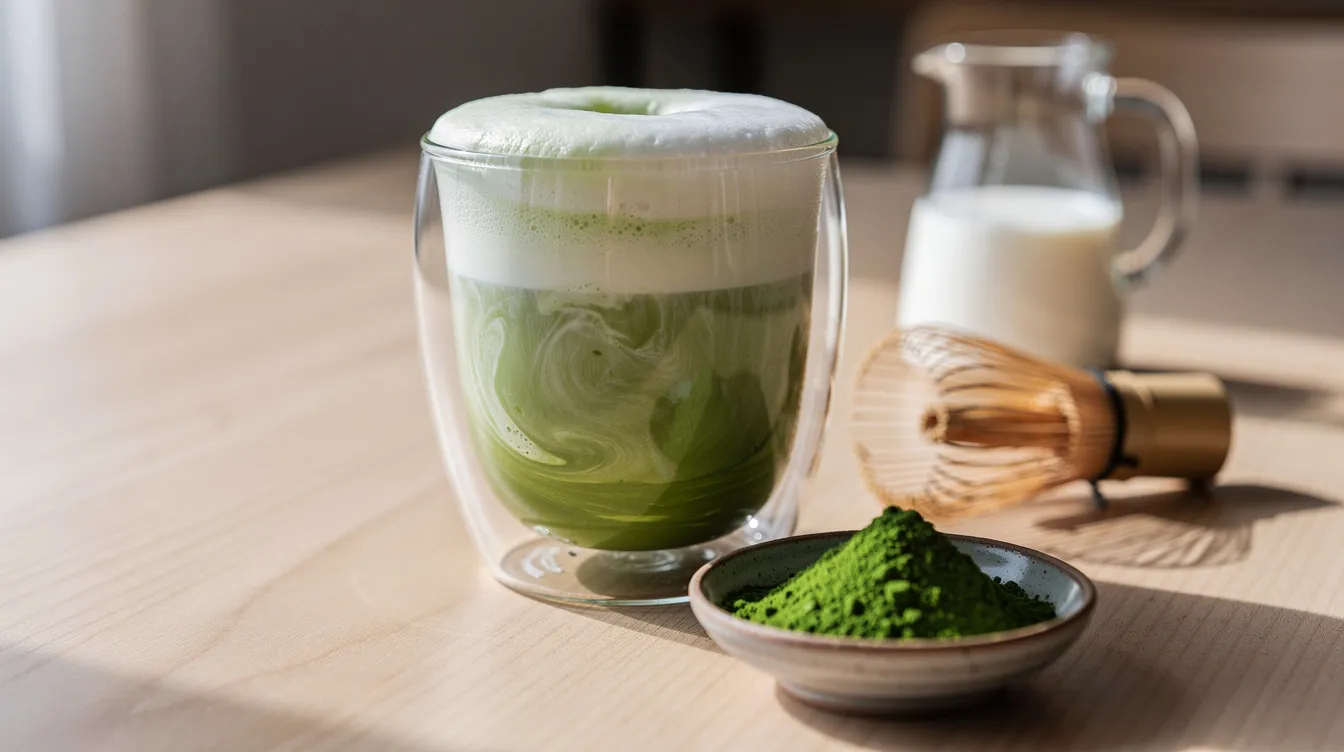
Which milk froths best for matcha latte?
For particularly creamy milk foam, oat milk (barista version) and soy milk are the best choices. Both contain enough protein and fat to form stable foam. Almond milk and coconut milk can also be frothed, but usually produce less stable foam.
Which milk do cafés use for matcha latte?
Many cafés prefer using barista plant-based milk for matcha latte, especially barista oat milk or soy milk. These milk types are particularly easy to froth and create a stable, creamy foam. At the same time, they have a relatively neutral taste that does not overpower the delicate aroma of the matcha. Oat milk is especially popular because it tastes slightly sweet and offers a creamy consistency. That is why many cafés choose barista oat milk as the milk for matcha latte, both for hot versions and for iced matcha latte.
High-quality matcha makes a difference
Not only the milk but also the quality of the matcha influences the taste, color, and texture. High-quality matcha powder ensures a finer aroma, a vibrant green color, and a creamier consistency in the latte.
Why milk influences the taste of matcha latte
Milk plays a crucial role in the taste and texture of a matcha latte. Fats in milk provide creaminess and a soft mouthfeel, while proteins help to form stable milk foam. At the same time, each milk brings its own flavor – from the natural sweetness of oat milk to the nutty aroma of almond milk. The right milk can emphasize the character of the matcha without masking its delicate, slightly bitter aroma.
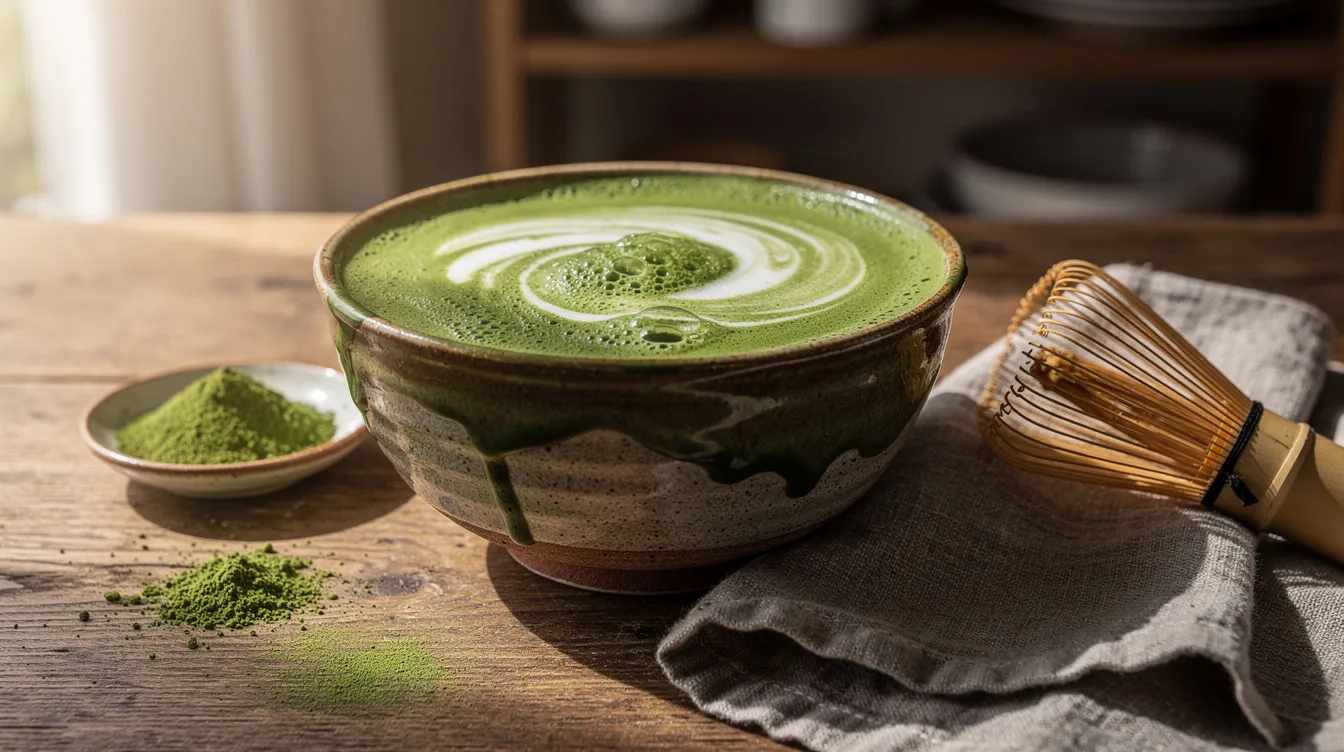
Which milk goes best with matcha latte?
Many people ask: Which milk goes best with matcha latte? The answer depends primarily on the taste and texture you prefer. The best milk for matcha latte should complement the slightly bitter taste of the green tea without overpowering it, while also being easy to froth.
Matcha latte with oat milk is particularly popular because it is mild, slightly sweet, and very creamy. Furthermore, oat milk – especially in the barista version – is excellent for matcha latte milk foam. If you prefer a nutty aroma, you can try matcha latte with almond milk. Almond milk is lighter and goes particularly well with cold variants like iced matcha latte.
Soy milk is also a popular plant-based milk for matcha latte because it tastes relatively neutral and forms stable milk foam. For people who do not want to consume animal products, these options are an ideal milk alternative for matcha latte.
Ultimately, the best milk for matcha latte depends on your personal taste. Try different varieties and find out which plant-based milk for matcha latte tastes best to you. Below you will find all the important details to get a good overview of the differences between the various types of milk and to make the perfect choice for yourself.
Classic, creamy, familiar: How cow's milk performs in a matcha latte
Cow's milk is the classic choice for many milk-based drinks like coffee, cappuccino, and of course, matcha latte. It offers a full-bodied and rounded texture that makes the matcha latte particularly creamy. However, this creaminess can sometimes overpower the delicate taste of the matcha and push the subtle flavor nuances of the green tea into the background.
Among the advantages of cow's milk is its excellent foam quality, which is ideal for latte art and creamy milk foam. However, cow's milk also has some disadvantages, such as lactose, which is difficult for many people to digest, and the fact that it is an animal product.
For traditional connoisseurs and those who have no intolerances, however, cow's milk remains a good and popular choice. Classically, matcha latte with cow's milk is served in cups, which makes the portioning and the enjoyment experience special.
Which plant-based milk goes best with matcha latte?
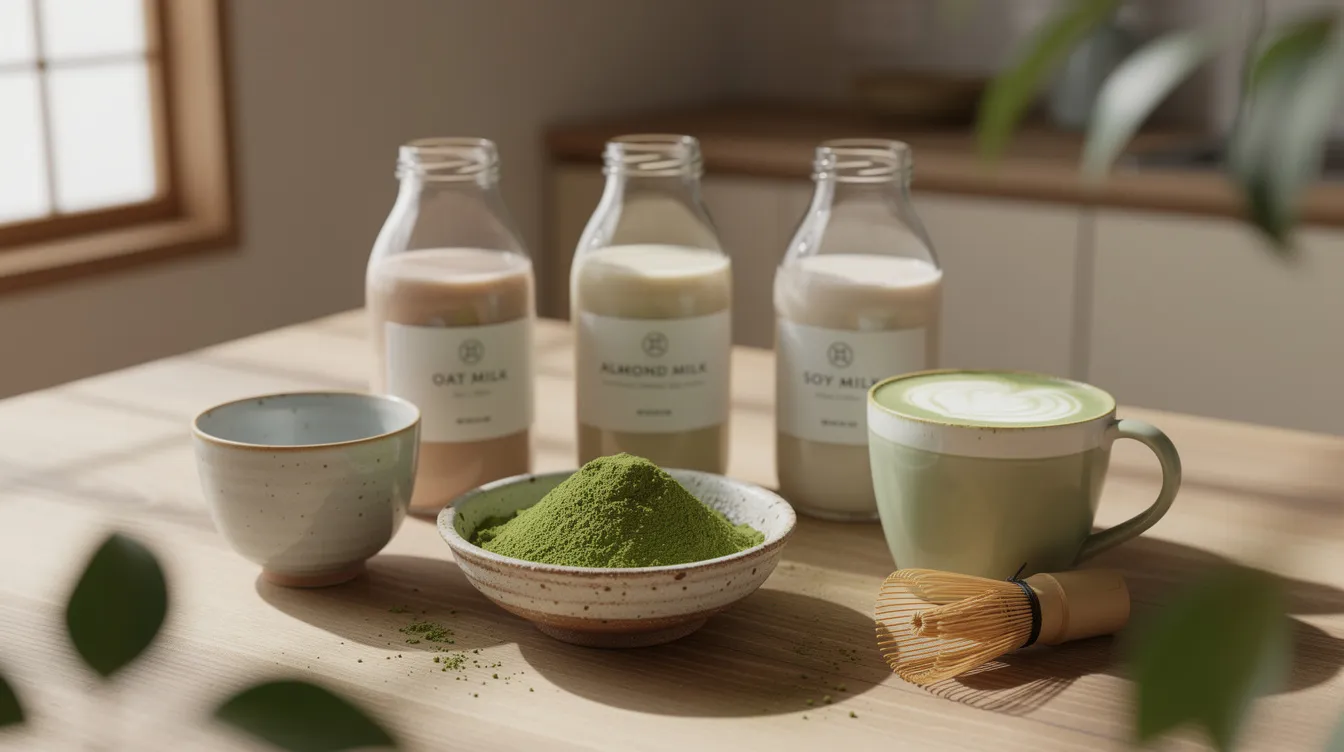
More and more matcha fans are turning to plant-based milk – not only for ethical reasons but also because of the taste, sustainability, and digestibility. Particularly popular are so-called barista versions, which were specially developed for frothing and are characterized by a particularly creamy, stable milk foam.
But each milk brings its own personality.
Here, we look at the different plant-based milk types and find out which one fits your matcha latte best.
How to choose the right plant-based milk
Choosing the right plant-based milk depends on several factors:
-
Taste: Some plant-based milk types are neutral, others sweet or nutty.
-
Frothing ability: Important if you want to enjoy a creamy matcha latte with plenty of milk foam.
-
Texture: Decisive for the mouthfeel and the preparation.
The nutritional profile of the plant-based milk should not be neglected. Some types are high in protein, others high in fat or contain more sugar. Especially the protein content varies greatly: almond milk, for example, has a very low protein content compared to soy milk or oat milk. Digestibility and sustainability also play a role, especially if you value an environmentally friendly and easily digestible option.
Oat milk: the harmonious all-rounder
Oat milk is:
-
gently sweet and creamy, making it the perfect choice for both hot and cold matcha lattes
-
especially in barista editions, which froth excellently
-
ensures a stable milk foam that gives your matcha latte a special touch
Furthermore, oat milk is sustainable and easily digestible, which makes it the ideal choice for daily use. Its natural sweetness harmonizes wonderfully with the taste of oats and matcha and ensures a balanced equilibrium.
Matcha latte with oat milk recipe (vegan & creamy)
A matcha latte with oat milk is one of the most popular versions of the drink because oat milk has a natural sweetness and becomes particularly creamy. Many cafés use barista oat milk for this because it is excellent for frothing and forms stable milk foam.
For a simple matcha latte recipe with oat milk, you need:
-
1–2 teaspoons of matcha powder
-
70–80 ml hot water (approx. 80 °C)
-
optional maple syrup or agave nectar
200 ml barista oat milk
First, sift the matcha powder into a bowl and whisk it with hot water until a smooth matcha is formed. Then heat the oat milk and froth it slightly. Pour the milk slowly over the matcha and sweeten the latte to taste.
In just a few minutes, you have a vegan matcha latte with oat milk that is particularly creamy and optimally complements the taste of the matcha.
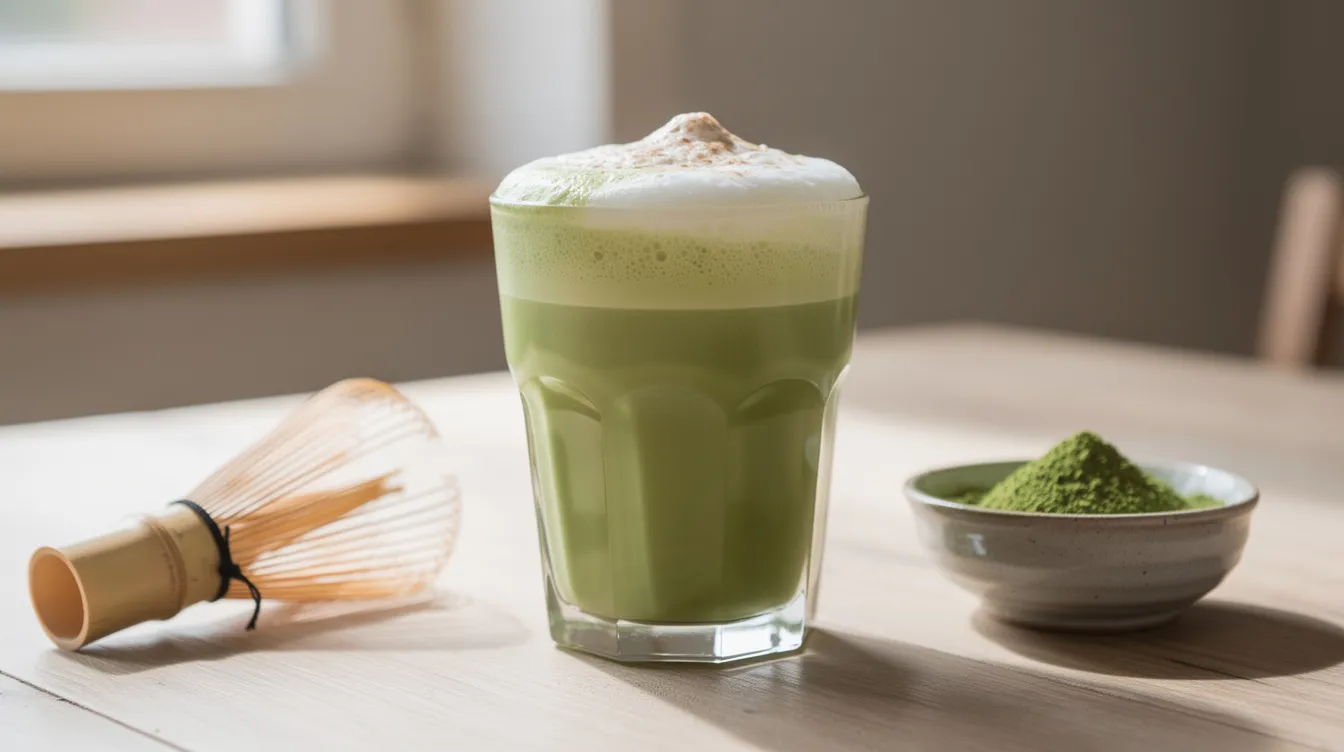
Almond milk: fine nut aroma meets green gold
Almond milk brings a fine, nutty flavor that gives the matcha latte a special depth. It is particularly suitable for summer drinks and iced matcha lattes, as it is light and aromatic.
Another advantage of almond milk is its low calorie content and high vitamin E content, which makes it a healthy choice. However, the cultivation of almonds is water-intensive, which represents an ecological disadvantage.
Soy milk: classic, neutral, and barista-friendly
Soy milk is a classic choice characterized by the following properties:
-
Neutral taste that lets the matcha shine purely
-
Protein
-
Very foam-stable, which makes it particularly barista-friendly
-
Excellent for bold, intense matcha types
-
Available in many variations
-
Soy is a versatile ingredient used in many recipes.
However, it can bind the antioxidants in the matcha, which can affect the health benefits.
Coconut milk: tropical, creamy & full of character
Coconut milk brings an exotic sweetness and a rich texture that goes particularly well with cold matcha variants. It harmonizes with matcha but can also be dominant, which is why it is better suited for special moments of enjoyment.
Coconut milk is rich in MCT fats, which are filling and fragrant, and protects the valuable catechins in the matcha due to its low protein content.
And what about rice, cashew & pea milk?
Besides well-known options like oat, almond, or soy milk, there are other plant-based alternatives suitable for matcha latte. Rice, cashew, and pea milk differ primarily in taste, creaminess, and frothing ability.
Rice milk
-
very mild and slightly sweet
-
rather thin texture
-
difficult to froth
-
particularly suitable for iced matcha latte
Cashew milk
-
creamy consistency
-
slightly sweet, nutty taste
-
harmonizes well with matcha
-
good alternative to oat milk
Pea milk
-
relatively neutral in taste
-
high protein content
-
easy to froth
-
suitable for creamy vegan matcha latte
These milk alternatives are less common but can offer exciting flavor variations. Those who like to experiment will find interesting options here for new matcha latte variants.
Which barista plant-based milk is suitable for matcha latte?
If you prepare matcha latte regularly, it is worth using barista plant-based milk. These versions were developed especially for coffee and matcha drinks and can be frothed significantly better than normal plant-based milk.
Particularly well-suited for matcha latte are:
-
Barista oat milk – creamy, slightly sweet, and very foam-stable
-
Barista soy milk – neutral in taste and rich in protein
-
Barista almond milk – slightly nutty and ideal for iced matcha latte
The advantage of barista plant-based milk for matcha latte lies in the stable texture. Due to the higher fat and protein content, a fine milk foam is created, which gives the matcha latte a particularly creamy consistency.
Many cafés therefore prefer using barista oat milk or soy milk when preparing matcha latte.
Hot or cold: Which milk harmonizes with which preparation?
Temperature and milk type have a significant impact on the taste experience of your matcha latte. Oat milk is particularly suitable for hot drinks as it offers excellent frothing ability and a creamy texture.
For cold matcha variants like iced matcha latte, almond milk and coconut milk are ideal, as they add a light and refreshing note. Iced matcha latte becomes particularly refreshing if you serve it with ice cubes – this keeps the drink pleasantly cool and gives it a modern, summery character. Be sure to froth the milk to the optimal temperature to achieve the best taste and texture.
Conclusion: Find your personal matcha milk
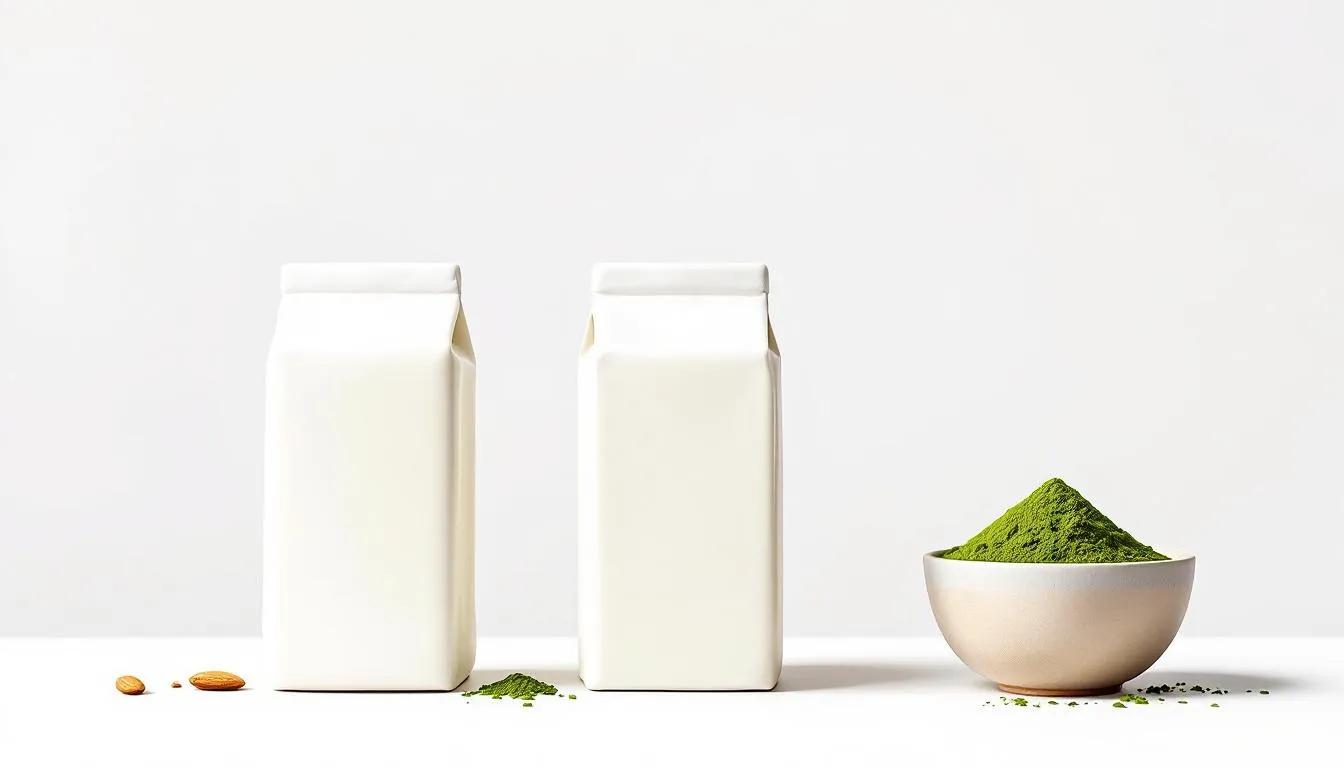
The ideal milk for a matcha latte depends heavily on your personal preferences. Here are a few types of milk that can enrich the matcha experience in their own way:
-
Cow's milk
-
Oat milk
-
Almond milk
-
Coconut milk
Each milk has its own benefits.
It's not the most expensive milk that makes the difference, but the right one. Here are some tips to help you find your perfect matcha milk:
-
Experiment with different types of milk.
-
Share your experiences.
-
Let your creativity run wild.
-
Discover new favorite combinations.
Preparing a perfect matcha latte in 5 minutes
A creamy matcha latte can be prepared at home in just a few minutes. For this, you will need 1–2 teaspoons of matcha powder, about 100 ml of hot water (approx. 70–80 °C), 200–300 ml of milk of your choice – for example, oat milk or almond milk – and optionally some agave syrup or maple syrup.
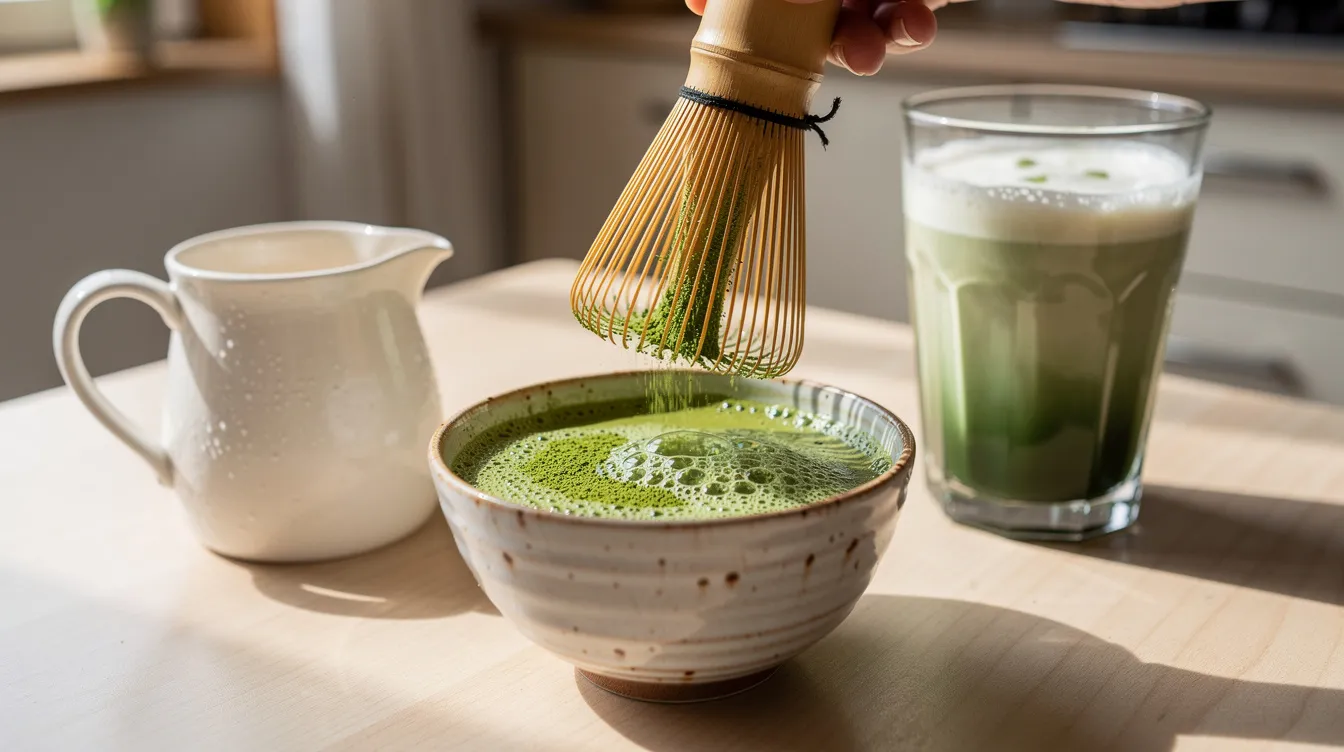
Place the matcha powder in a bowl or glass and pour the hot water over it. Whisk the mixture using a bamboo whisk or a small whisk in rapid zigzag motions until the powder has completely dissolved and a fine foam has formed.
Next, heat and froth the milk. Slowly pour the warm milk over the matcha and sweeten the latte to taste. This results in a creamy matcha latte with an intense aroma and velvety texture in just a few minutes.
Matcha latte variations: vegan, hot, or iced matcha latte
A matcha latte can be prepared in many different ways. The base is always high-quality matcha powder, ideally Japanese matcha, which is known for its intense green color and fine aroma. Depending on the milk and preparation method, completely different variations of this popular drink are created.
A particularly popular option is the vegan matcha latte, which is made with plant-based milk such as barista oat milk, almond milk, or soy milk. These milk alternatives provide a creamy consistency and are easy to froth. Barista oat milk is used particularly often because it has a mild taste and creates stable milk foam.
In addition to the classic warm version, the iced matcha latte is also very popular. For this, the matcha powder is first whisked with a little warm water and then combined with cold milk and ice cubes. This variation is especially great in the summer and tastes particularly refreshing with almond or oat milk.
Many people also enjoy their matcha latte as a sugar-free matcha latte, as high-quality matcha already has a natural, slightly sweet note. If you wish, you can still round off the drink with a little maple syrup, agave syrup, or honey.
With a simple matcha latte recipe and the right milk, the drink can be easily adjusted to your taste – whether classic, vegan, hot, or as a refreshing iced matcha latte.
Avoiding common mistakes
Even when preparing a matcha latte, mistakes can happen that impair the taste experience. One of the most common mistakes is clumping, which occurs when the powder is not dissolved sufficiently. It is best to use a spoon to carefully stir the matcha powder with water to achieve a smooth consistency.
With a few simple tips and tricks, however, these mistakes can be easily avoided.
Preventing clumping
Clumping in a matcha latte is a common problem caused by the fine particles of the matcha powder. These tend to clump together if they are not properly sifted or stirred. A simple trick to avoid this is to sift the matcha powder before preparation. The powder is thus distributed evenly and dissolves better.
Using a bamboo whisk or a milk frother can also help to distribute the powder evenly in the liquid and prevent clumping. Be sure to add the matcha powder to the water or milk in small amounts and stir continuously to achieve a smooth and uniform consistency.
Optimal water temperature
The water temperature plays a crucial role in preparing the perfect matcha latte:
-
Water that is too hot can destroy the delicate aromas of the matcha and cause a bitter taste.
-
The ideal temperature is around 80 degrees Celsius.
-
At this temperature, the best flavor notes of the matcha are brought out.
An electric kettle with a temperature setting can be very helpful here to achieve the correct temperature. Avoid pouring boiling water directly onto the matcha powder, as this can affect the aroma. Let the water cool down briefly after boiling before using it.
Pro tips for the perfect matcha latte
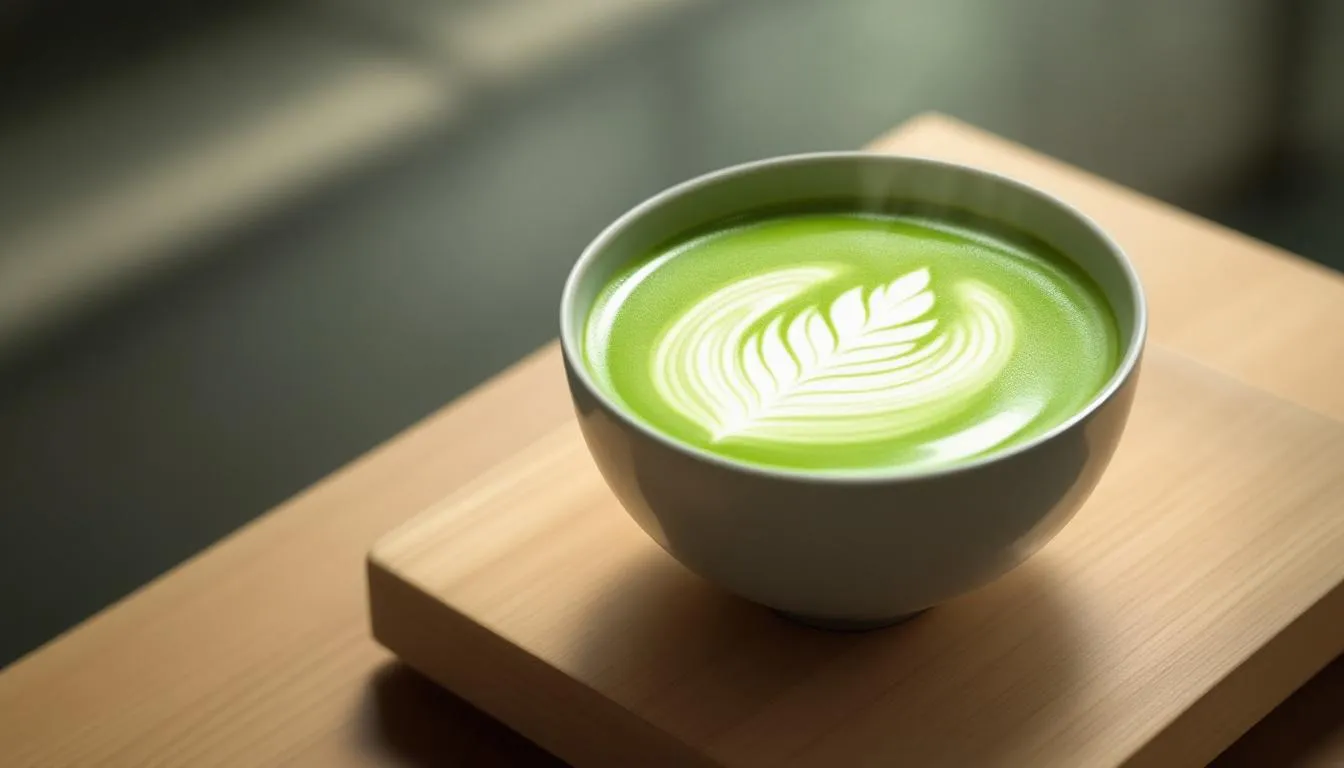
Besides the right milk, the preparation also plays an important role in achieving a creamy matcha latte. Especially important is the correct frothing of the milk, as a fine milk foam gives the drink its typical texture.
Perfect milk foam for matcha latte
For a creamy matcha latte, the milk should be heated to about 60 °C. At this temperature, the milk can be frothed particularly well without changing its taste.
For matcha latte milk foam, various methods are suitable:
-
Milk frother
-
Steam wand (espresso machine)
-
French press for particularly airy foam
Oat milk and soy milk in particular froth well and create a creamy consistency.
Serving matcha latte beautifully
Presentation also plays a role. Serve your matcha latte in a glass or a beautiful cup so that the green color of the matcha and the light milk foam are well showcased.
Summary: Which milk is best suited for matcha latte?
The best milk for matcha latte depends on the desired taste and creaminess. Many prefer oat milk because it is mild, slightly sweet, and particularly creamy. Soy milk is also well-suited because it forms stable milk foam, while almond milk gives the drink a slightly nutty aroma. Classic cow's milk provides a particularly creamy texture, but can somewhat mask the taste of the matcha.
Besides the milk, high-quality matcha powder is also crucial for the aroma, color, and consistency of the drink. With the right milk and good preparation, a matcha latte can be easily adapted to your own taste – whether with plant-based milk, classic milk, or as a vegan matcha latte.
FAQ: Frequently asked questions about milk in matcha latte
Which milk is best suited for matcha latte?
The best milk for a matcha latte depends on your taste. Many prefer oat milk, as it is mild, slightly sweet, and particularly creamy. It is easy to froth and does not mask the taste of the matcha. Soy milk is also well-suited because it forms stable milk foam and has a relatively neutral taste.
Can you make matcha latte with cow's milk?
Yes, a matcha latte can be easily prepared with cow's milk. It provides a particularly creamy texture and stable milk foam. However, its strong taste can slightly mask the delicate aroma of the matcha, which is why many matcha fans prefer plant-based alternatives.
Which plant-based milk froths best for matcha latte?
For a creamy matcha latte, oat milk (barista version) and soy milk are particularly suitable, as they form stable and fine milk foam. Almond milk and coconut milk can also be used, but usually froth a bit less stably.
Which milk pairs best with iced matcha latte?
For an iced matcha latte, almond milk or coconut milk are especially suitable as they have a light, refreshing note. Oat milk also works very well and provides a creamy consistency even in cold versions.
Does milk affect the effect of matcha?
Milk contains proteins that can bind some of the antioxidants in matcha. However, this effect is relatively small. For most people, a matcha latte remains a healthy drink with many valuable nutrients.
Can you drink matcha latte without milk?
Yes, matcha can also be prepared pure with hot water. This traditional version is called matcha tea and comes from the Japanese tea ceremony. The latte is a modern version where milk provides a creamy texture.
Which milk tastes mildest with matcha?
If you would like to enjoy the taste of the matcha as unadulterated as possible, soy milk or oat milk are good options. Both have a relatively neutral aroma and harmonize well with the slightly bitter taste of the matcha.
Learn more about matcha
If you would like to delve even deeper into the world of matcha, these topics might also be interesting for you. In our article “What is Matcha?”, you can learn more about the origin, production, and special features of the Japanese green tea powder. We also explain in “Matcha Effect” what health benefits matcha can have and why it is considered particularly nutrient-rich. If you want to learn how to prepare matcha correctly, you will find a step-by-step guide for perfect matcha and creamy matcha latte in our guide “Preparing Matcha Correctly”.

